WeChat: (+86)13978873330 Email: 381784025@qq.com

WeChat: (+86)13978873330 Email: 381784025@qq.com

This is asked at the service desk of a columbarium once a week, and the answer is never a flat yes or no. Put the two answers side by side first, then say what practical risk actually needs guarding against.

The customary layer: some folk belief holds that menstruation is "unclean" and that a woman should not enter a temple or offer incense This varies by region — it is stated strongly in parts of Fujian and Hakka areas and in some northern localities, and not mentioned at all in others.
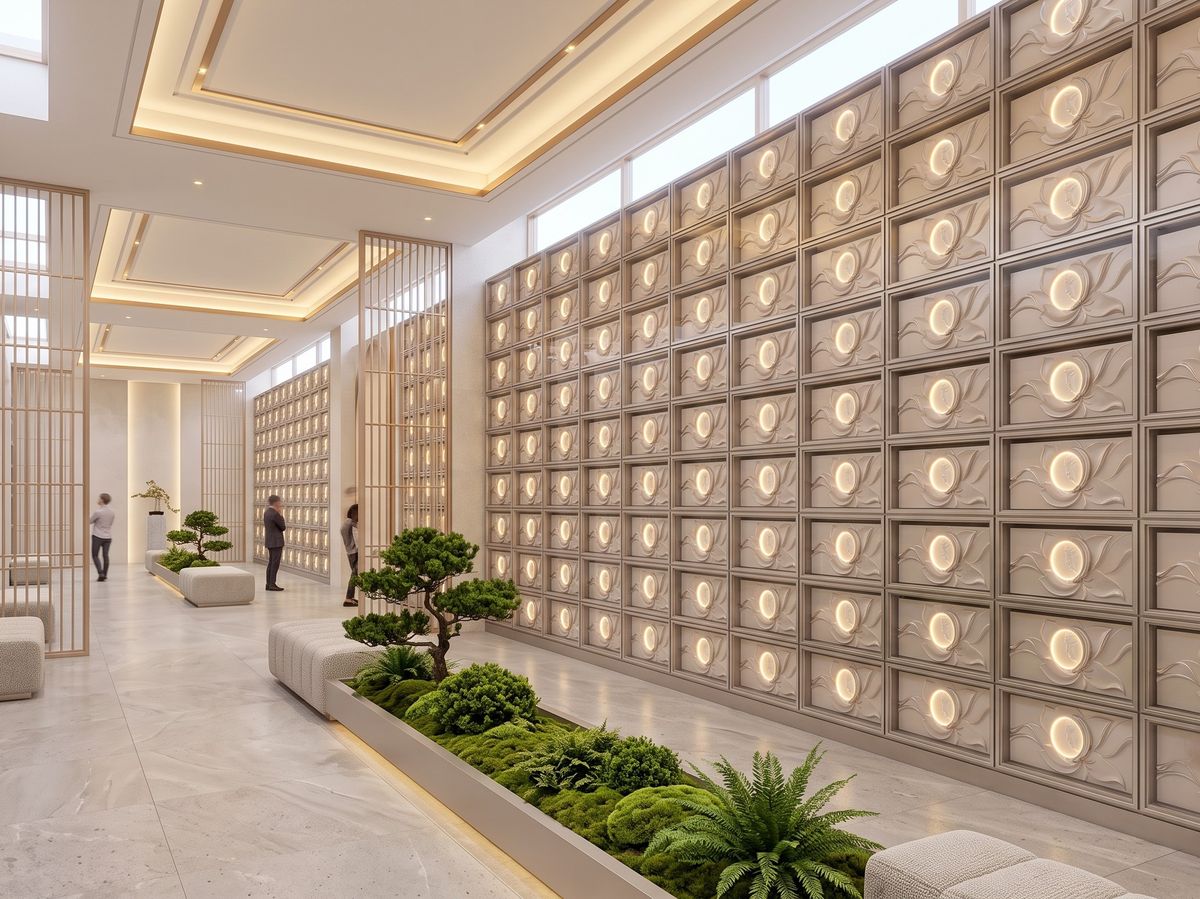
The practical layer: a columbarium is an indoor public space at 24–26 °C, crowded, requiring over 40 minutes on your feet. This layer does not ask whether you are clean; it asks whether you can hold up.
The two do not conflict, because they answer different questions Paying respects at a columbarium is about arriving and remembering. It is not a fitness test.
The old idea of uncleanness has a more practical origin than people imagine: in earlier times graveside rites were outdoors, water was far away, sanitary products were crude, and long standing, chill and the impossibility of washing were real risks. Turning a risk into a taboo is the cheapest way to transmit it.
So when discussing it today, distinguish: are you observing a belief, or inheriting a sentence nobody ever explained? Both deserve respect, but only the first requires holding to it.
One, standing. A complete visit runs 40–60 minutes, of which standing and slow walking take over 30. On the first or second day of menstruation, that is enough to make a person dizzy.
Two, low temperature. A columbarium sits at 24 °C year-round, nine to eleven degrees below outdoors. A chilled abdomen worsens cramps — a physiological response, not a psychological one.
Three, the floor. Polished stone is usually rated R10 for slip resistance, and on a damp day (above 85% RH) it slips noticeably. Physical reserves are lower during menstruation, and a fall costs more than usual.
Four, the toilets. A mid-sized hall often provides one cubicle per eighty people, and at Qingming the queue starts at ten minutes. On the second day, that wait is not compatible with how often you need to change.
My advice: do not agonise over whether you may pay respects; first work out whether you can stand.
If you can stand 40 minutes, tolerate 24 °C air conditioning and accept a queue for the toilet — go. If any one of the three fails, switch to another way: a family member goes on your behalf, you defer a week, or you join your palms in the main hall without going to the niche.
There is no hard rule that respects must be paid in person. What a columbarium actually remembers is the person who comes every year, not the one year someone forced herself.

If you decide to go, do three things.
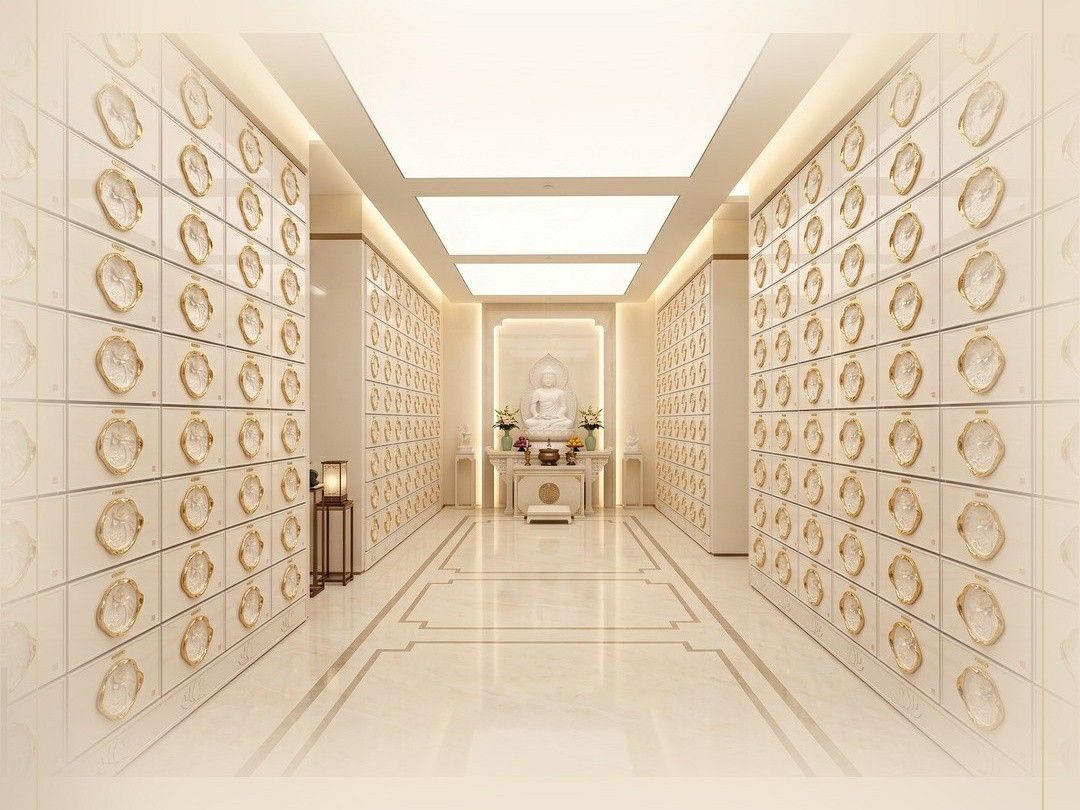
Bring a thin outer layer, and do not wear a skirt. The walkway is 1.2 m, and when you crouch to set out offerings the hem drags on a floor that has just been mopped.
Wear flat, non-slip shoes with tread at least 3 mm deep. R10 is a dry-state rating; wet, it drops a grade.
Use a heat patch, the 40–50 °C kind, on the lower back rather than the front of the abdomen — worn at the front for long periods it causes low-temperature burns, especially when you sit against it.
If "being there" is downgraded to "having been there", three things are still worth doing.
Wipe the lower edge of the niche door panel That is where the dust collects, and one wet wipe takes thirty seconds.
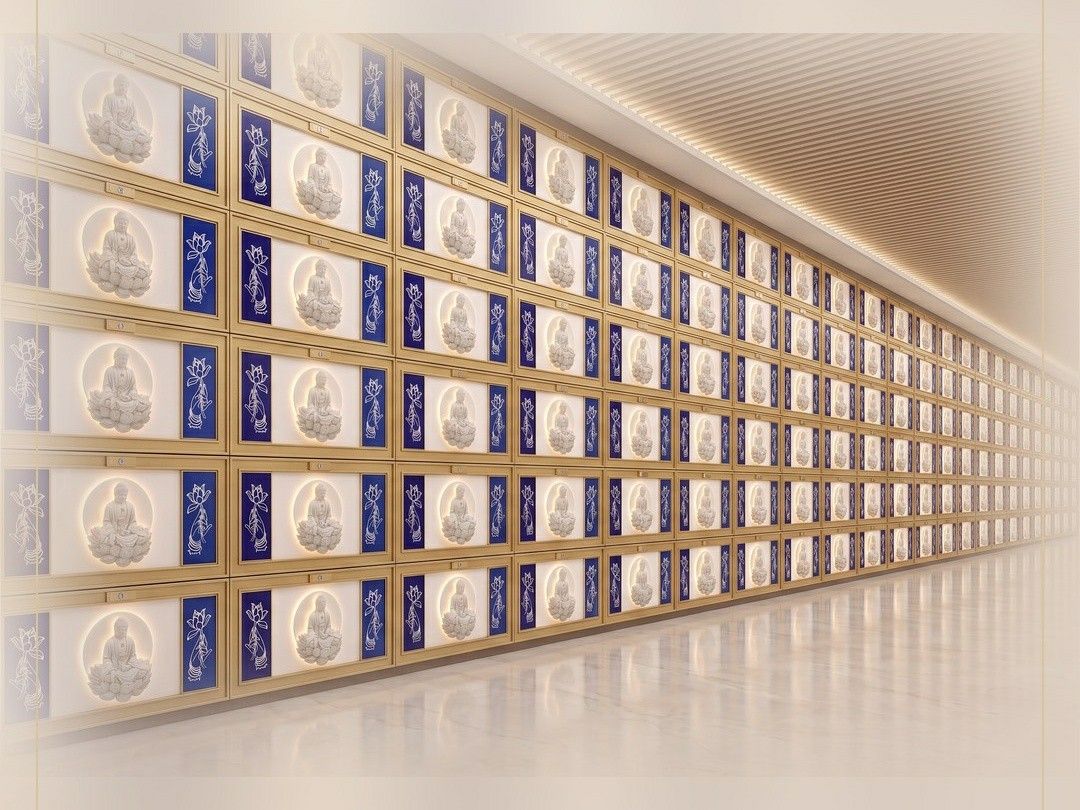
Set out one offering, one is enough; no need to make three. The ledge is 350 mm deep, and if it is full there is nowhere to put the incense.
Stand with palms joined for 30 seconds and say the name once. No need to be loud; a columbarium is quiet anyway.
Together these take under five minutes, and they lack nothing compared with a full visit. Paying respects is about someone remembering, not about a complete ceremony.
On the same question, a mother-in-law and a daughter-in-law may be thirty years apart. The service desk does not adjudicate that; it provides a venue.
The more effective approach: have the eldest member of the family say "you needn't come this year", and the matter is closed. Conversely, if the elders insist you should not come, do not argue — go a week later and nobody loses anything.
What actually damages a family is not going or not going. It is one person going while another says behind their back that she should not have.
Q: Can incense be offered during menstruation?
A: Most halls do not prohibit it, since they use electronic sticks or flowers instead of open flame. If you want to avoid it, have a companion offer the stick and simply join your palms.
Q: Can an urn be touched during menstruation?
A: Yes. The urn stays inside the niche and is not handled during a visit. For occasions that require handling, such as relocation or shared interment, reschedule.
Q: What about breastfeeding?
A: The same logic A columbarium is crowded and mechanically ventilated, and bringing a baby adds another layer to consider.

The answer has two layers: custom varies by locality, practice depends on stamina Visiting is a few times a year; there is no need to trade your body for an "I was there". If you go, get four things right — a jacket, flat shoes, a heat patch, and an off-peak time. If you cannot having someone go on your behalf or deferring a week are both proper. That stick of incense will not mind being lit a week later.