WeChat: (+86)13978873330 Email: 381784025@qq.com

WeChat: (+86)13978873330 Email: 381784025@qq.com

The most common scene at a columbarium entrance is a family standing around nobody sure what happens next. One person starts offering incense another starts setting out food, a third has already put their palms together There is no single "correct" order of worship, but there is a sequence — get it wrong and it is not disrespectful, it just gets in the way of the next family. Learn the six steps and the whole thing takes fifteen minutes.
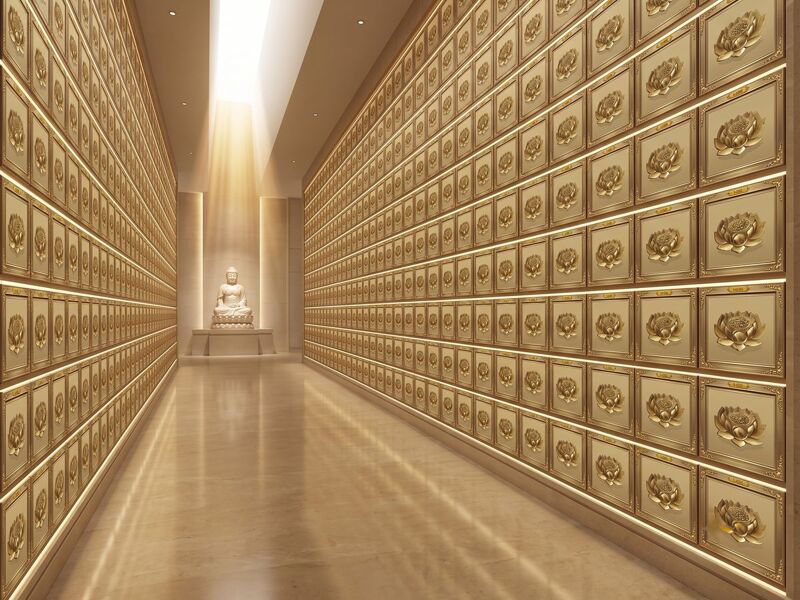
One, register. Check in at the service desk with the niche number and number of visitors collect the key or have a staff member accompany you. This is also the safety log — the operator needs to know who is inside and which zone they went to.
Two, wash hands. Columbarium entrances usually have a hand-washing basin or sanitiser. This is not ceremonial dressing: it removes sweat, oil and incense ash from your hands so you do not leave marks on the urn or the door.
Three, offer incense. Light it at the communal censer or at the niche — one stick or three, according to family habit; if the niche has its own holder, place it in the small censer in front. Stand square to the niche while offering never with your back to it.
Four, present offerings. Set them out on the offering table or the ledge in front of the niche. Main offering first (the three meats, or three vegetarian items), then the fruit, then the wine or tea.
Five, recite. Palms together, a Buddha name, or a short passage of remembrance. The whole family does this together arranged front to back by generation.
Six, take leave. Pack up the offerings, wipe the surface lock the door, return the key. Taking leave is not a formality; it is restoring the niche to its original state for the next family.
The underlying logic of the six steps is "from outside to inside, then back outside".
Hands are washed first because dirty hands contaminate the urn and the door panel Incense comes before offerings because incense is the announcement and the offerings are the hospitality. Recitation comes after the offerings because people need to settle Taking leave comes last because time is needed to tidy up.
The most common mistake is setting out the food before offering incense. The consequence is practical: the offerings occupy the censer position, so the person has to reach in sideways, and ash falls on the food. Housekeeping dreads that scene.
A complete visit runs a sensible fifteen to twenty minutes:
- Register and wash: 3 minutes - Incense: 2 minutes - Offerings and arranging: 4 minutes - Recitation: 5 minutes - Taking leave and packing: 4 minutes
Beyond twenty-five minutes is usually a large group, an unfamiliar routine, or too many offerings to arrange. At Qingming the space in front of a niche is a shared resource, and one household holding it too long creates a queue.
For incense: square to the niche, 40–50 cm from the door, body not blocking the censer.
For recitation: two rows by generation, principal celebrant at the front, everyone else offset half a step so the aisle is not blocked.
For leaving: step back and to the side while packing; do not stand in the middle of the aisle. And while the door is open, do not stand behind it — if it swings back it can strike the urn.
One detail: leave 90 cm of space behind you to rise from a bow or a kneel. If the visiting depth in the hall is only 60 cm, you can kneel but not get up — a chronic fault in many older columbaria.

Single niche: all six steps, with the recitation shortened.
Double or family niche: offer incense in order of seniority, not all at once; for the offerings, place the main offering in the centre and a portion of fruit on each side.
Tablet section: where there is no offering table, place offerings on the communal table and simply put your palms together in front of the tablet Never move the tablet. Tablet and niche are name and remains; neither should be shifted.
Tablet and niche in the same hall: bow to the tablet first, then to the niche — senior first, then the person themselves.
Look at three things:
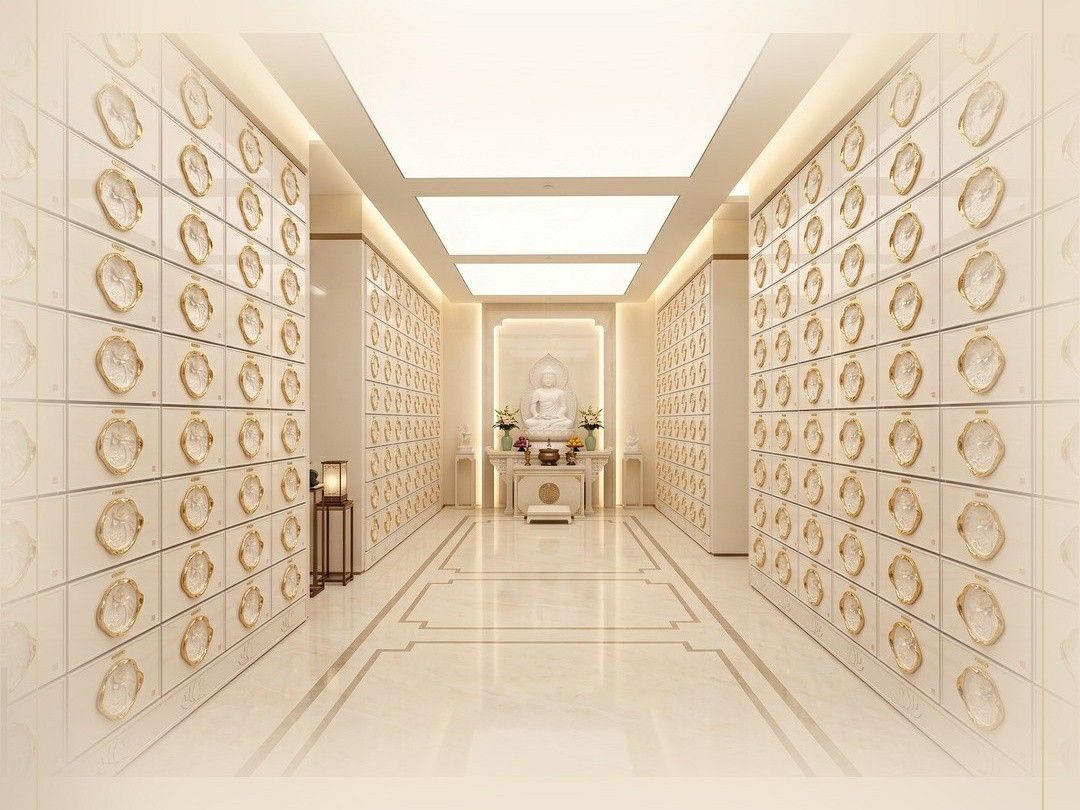
1. Is there a clear registration desk and hand-washing point at the entrance? 2. Is there a ledge in front of the niches for offerings (at least 40 cm wide)? 3. Are there "service in progress" signs along the aisle?
The third says most about the management A hall with signs has thought about how other people walk past while one family is worshipping; a hall without them will certainly jam at Qingming.
Q: Our family has no fixed faith — can the six steps be simplified?
A: Yes. Keep at minimum wash, incense, recite, take leave. The offerings can be replaced with a bunch of flowers.
Q: Should the timing follow the lunar calendar?
A: Not for routine visits Date selection applies to enshrinement, installation and closing rites; ordinary incense can be offered any day.
Q: Visiting alone — do I need the whole sequence?
A: You can, and it will be quicker. The step most often skipped when alone is taking leave — people finish the incense and walk off with the door unlocked and the surface unwiped, which creates work for the staff.
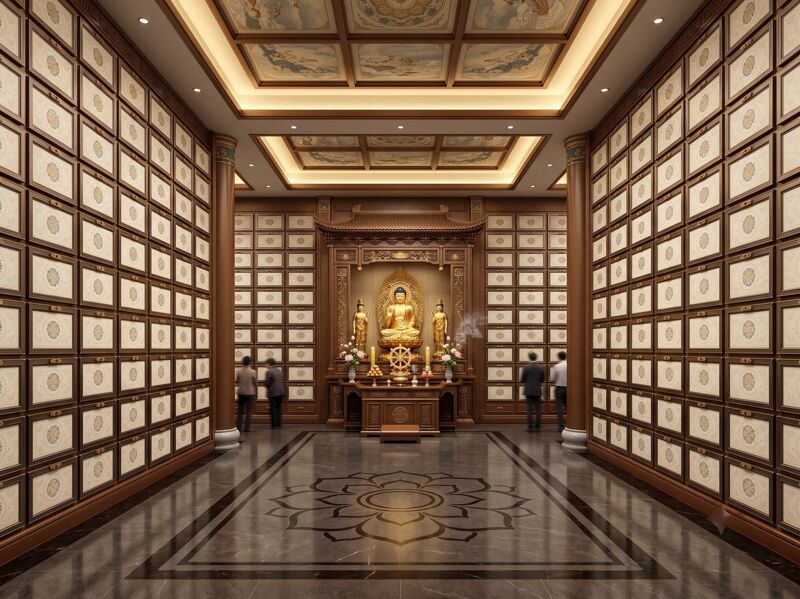
The sequence of a columbarium visit is really an order that lets several households share one space without getting in each other's way: wash, incense, offerings, recitation, leave — six steps, fifteen minutes. Everyone wants to linger in front of the niche, and only by keeping the flow moving does the next family get their turn.