WeChat: (+86)13978873330 Email: 381784025@qq.com

WeChat: (+86)13978873330 Email: 381784025@qq.com

The same niche looks different at nine in the morning and at ten to five. This breaks "when to go" into four factors — light temperature crowds and duration — and gives a workable recommendation.

Most columbaria open at 8:30 and close at 17:00, with entry closing 60 minutes before. Take off the ends and only two windows are genuinely good: 9:00–11:00 and 14:00–15:30.
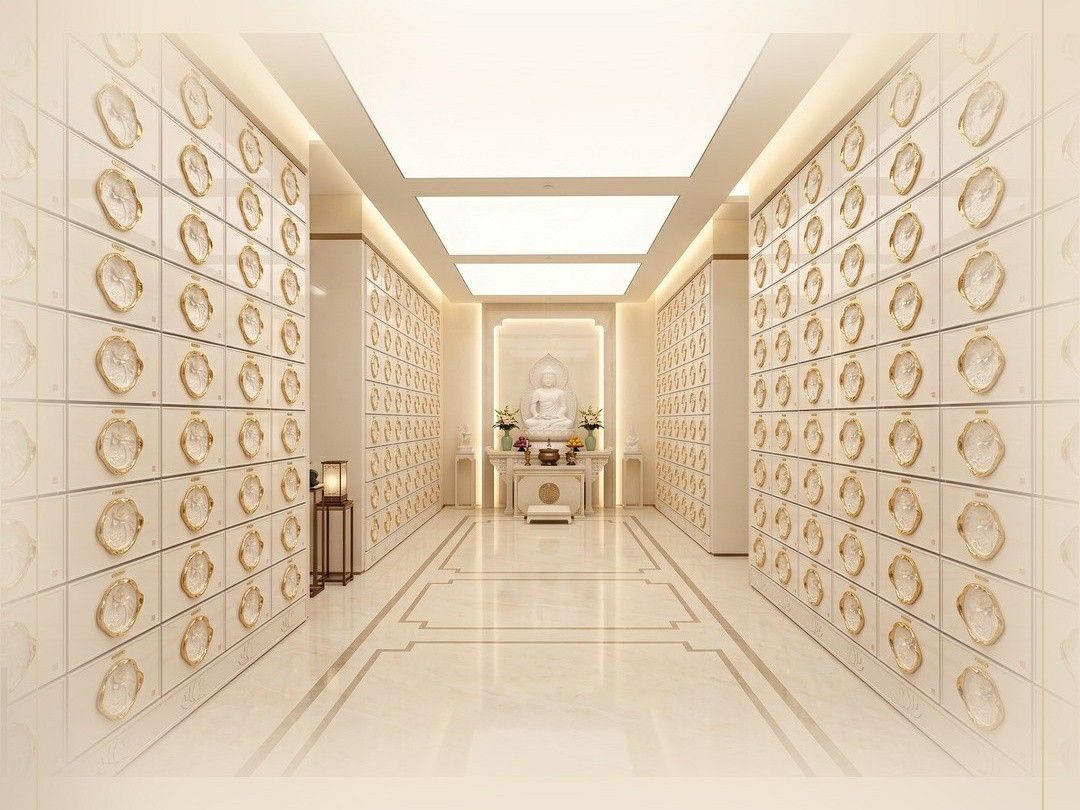
The middle stretch, 11:00–14:00, is when tour groups and whole families arrive; the walkway before the niches is 1.2 m, and four people fill it Paying respects does not take long, so there is no reason to squeeze into the two most congested hours.
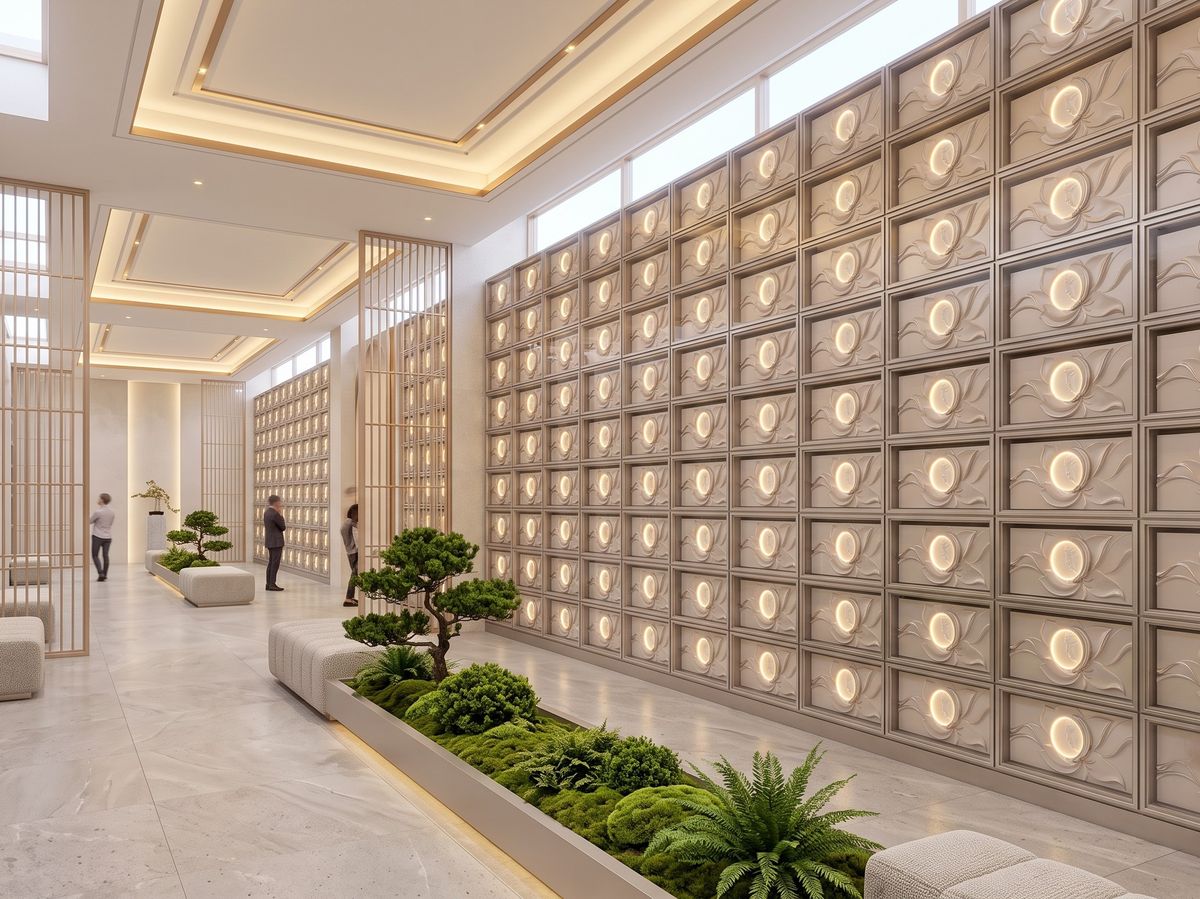
Illuminance in a columbarium is typically designed at 300–500 lux, from skylights and wall-washing rather than direct light. In the morning daylight enters from above and to the side, and the niche door panels take oblique light — texture, colour variation and scratches all become visible.
After four in the afternoon artificial lighting dominates at 3000–4000 K, and warm light flattens colour variation on the panels. If you are inspecting new door panels or a fresh coat of paint, come in the morning, not the afternoon.
Closing at 17:00 with entry stopping at 16:00 leaves the family under 60 minutes. A complete visit — handwashing setting out offerings incense, recitation clearing up — normally takes 40–60.
When time presses, the first thing dropped is the clearing up: offerings left on the ledge, peel left in the plate. The ledge is 350–400 mm deep, and a plate of fruit left overnight is a signpost for insects by morning.
Break the 60 minutes down and you see where to save.
Parking to entrance, 8 minutes (20 at Qingming); check-in and pass, 5; walk to the niche, 5–10; handwashing, 3; setting out and lighting 8; recitation, 10–15; clearing up, 10; leaving, 5.
Only about 25 minutes are actually spent facing the niche; the rest is walking and paperwork. So the most effective way to shorten a visit is not to recite less but to choose a zone near the entrance and avoid the queue.

A coil takes about 40 minutes to burn from lighting to end. Tradition holds that the incense should not go out and the person should not leave; in practice it means the stick you lit is one you watch to the end, or at least hand over to someone staying.
That is the other reason to allow enough time. For a complete visit I usually recommend budgeting 60 minutes: 10 walking, 10 setting out, 15 reciting, 15 clearing up, and 10 in reserve.
Columbaria are held at 24–26 °C. But as numbers rise in the afternoon and doors open and close more often the relative humidity in the rows nearest the doors runs 8–12 percentage points above the interior.
For a niche, humidity matters more than temperature. Sustained above 65% RH copper door panels bloom with spots and paper keepsakes go damp. So if you want to see whether a door gap shows water marks, look after the afternoon peak — that is when it shows most clearly.
The death anniversary is reckoned on the lunar calendar, with no fixed hour, mornings being customary. Few people come, you can visit on arrival, and 40 minutes is enough.
Qingming follows the solar term, with the three weeks either side all busy. The hard part is 9:00–11:00 on the day itself, when a mid-sized hall admits 300–400 people an hour. To come that day, take the first entry at 8:30 or come after 15:00.
The Ghost Festival usually has a public rite in the evening; private rites are booked and the hall assigns the time.
Q: Can we visit in the evening?
A: Most halls are closed at night apart from security patrols. A few offer booked night visits requiring three days' notice.
Q: Is there any taboo about visiting at noon?
A: Folk usage has notions about the noon hour; modern columbaria impose no restriction. The real problem is that this is the busiest time, staff are on breaks, and everything is slowest.
Q: How many niches can be visited in one trip?
A: Three to five in the same zone can be done in an hour. Beyond three zones split it into two visits.

The answer is not mystical: nine to eleven in the morning is best, because the light is clear, the crowd has not arrived and there is enough time. Avoid the last hour before closing because a 60-minute rite cannot be compressed into 40. As for auspicious hours, most halls recognise only the booked slot — allowing enough time is far more practical than choosing a "good hour".