WeChat: (+86)13978873330 Email: 381784025@qq.com

WeChat: (+86)13978873330 Email: 381784025@qq.com

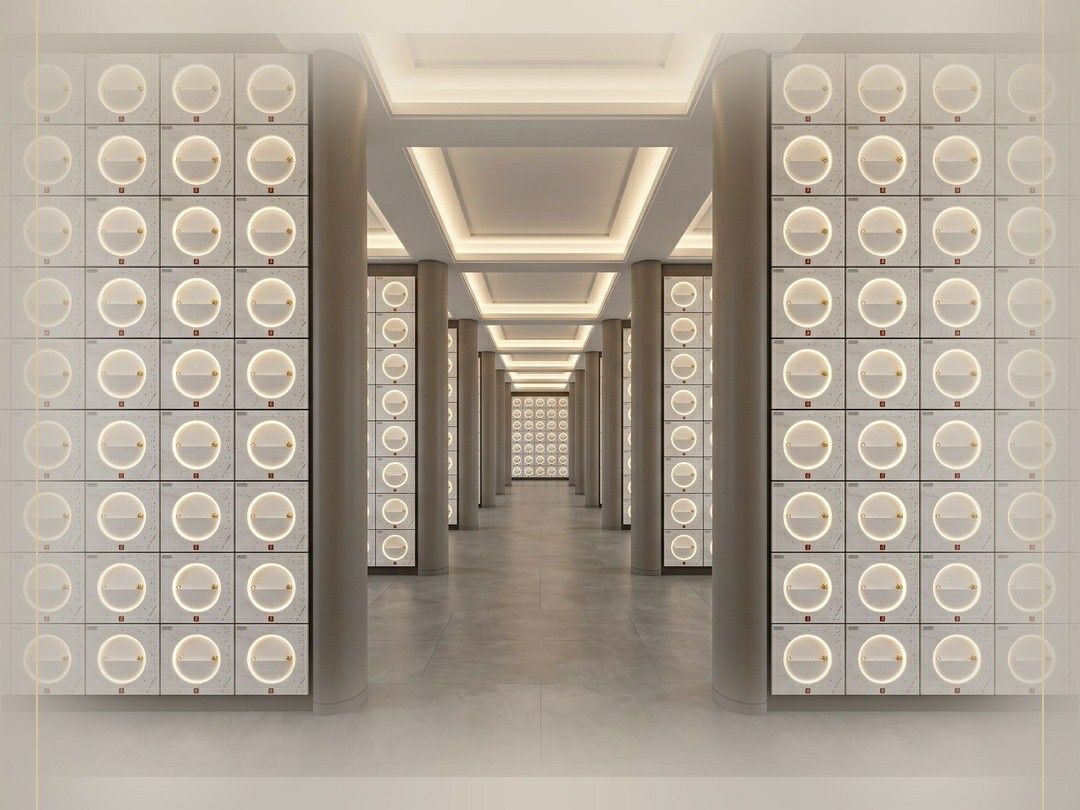
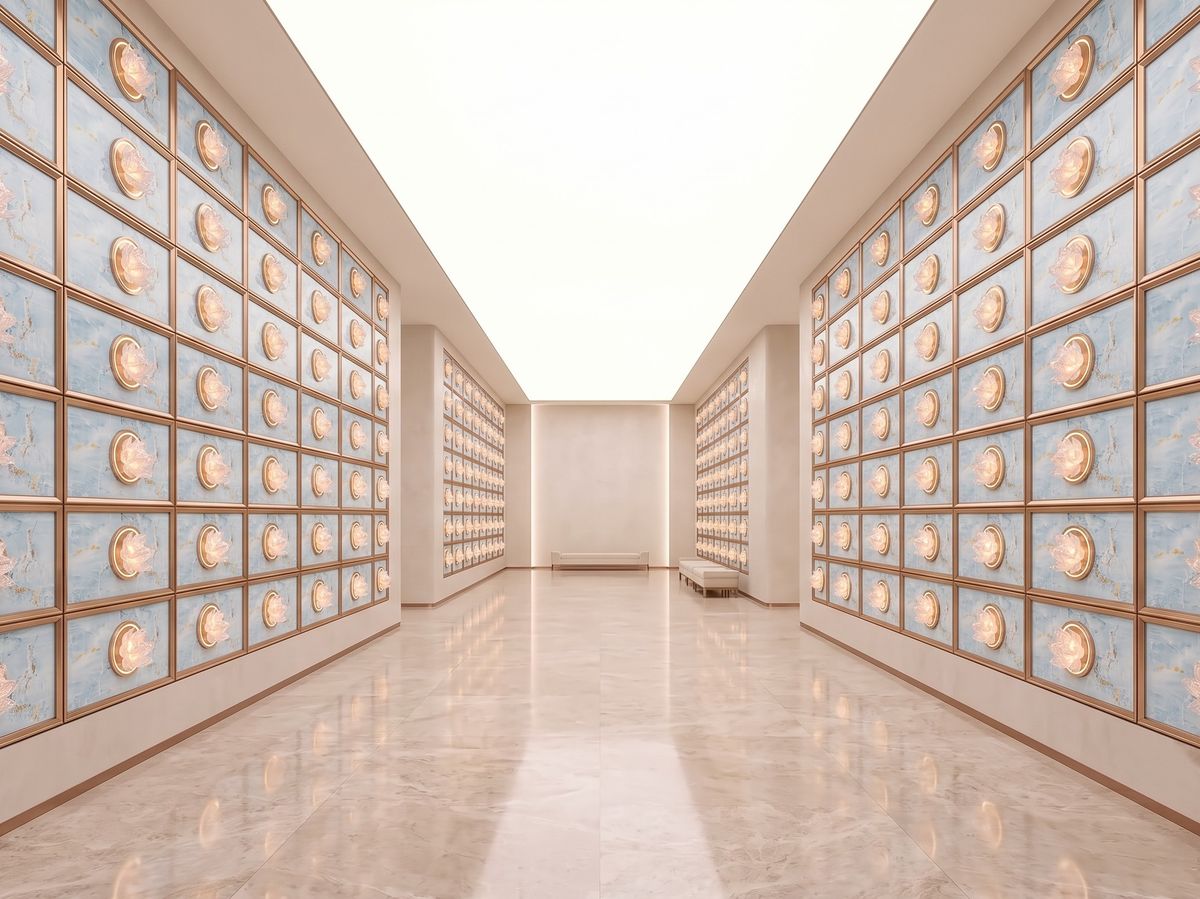
Walls are the most overlooked maintenance cost in a columbarium. Everything looks fine on opening day; after three years the difference is stark — one section still clean, another covered in handprints, ash marks and black streaks that will not come off. The difference is not workmanship, it is one number that was not checked at specification.
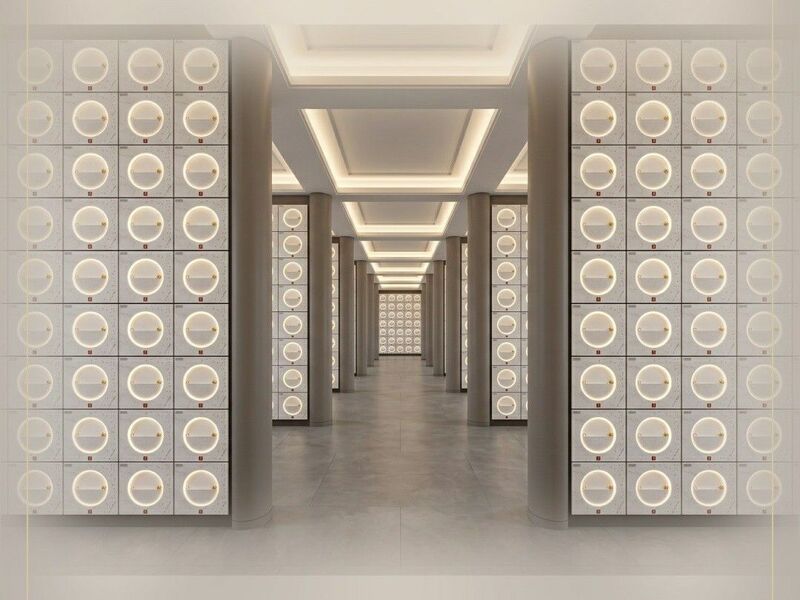
Interior emulsion scrub resistance is graded in three classes under the national standard: 300 cycles for acceptable, 1,500 for first grade, 5,000 for premium A columbarium needs premium.
5,000 cycles means 5,000 back-and-forth scrubs with a standard brush without exposing the substrate. In the high-traffic wiping zone of a columbarium (below 1.2 m), you wipe perhaps 200–300 times a year so 5,000 cycles covers fifteen years.
Emulsion paint: cheap (25–35 per m²), 1,500–5,000 scrub cycles, vulnerable to impact.
Ceramic tile: scrub-resistant and water-resistant, but cold, and large tiled areas in a columbarium echo.
Timber veneer: warm, but sensitive to moisture; it bulges in the rainy season.
Stone: durable, expensive, heavy, and it imposes structural requirements.
A columbarium does not need to choose only one. A hybrid is the right answer.
Only what hands can reach needs scrub resistance. Below 1.2 m in a columbarium is the height where hands, bags, umbrellas and walking frames make contact — use tile or stone there; above 1.2 m use premium emulsion.
With this combination you cut wall cost to 60% of fully tiled while the cleaning experience is close. The visual centre of gravity in a columbarium is low; keeping the upper wall pale also makes the space read taller.
The dado goes to 1.2 m because that height covers collisions from mops, carts and flower baskets, and also covers the range of hand movement.
Run the skirting separately at 100, in the same material as the floor or one step darker. Columbarium skirting gets soaked easily; a recessed detail (10 mm off the wall) lasts longer than a flat-faced one, and the mop does not push dirty water up the wall.
If budget allows, take the dado to 1.5 m — with seven tiers of niches, the middle tiers are handled at exactly that height, and the wall is most likely to be knocked by the edge of a box.
Mid-tone warm grey hides dirt best; pure white shows every handprint. This connects directly to whether the building "looks clean."
If a columbarium wall must be pale, use an off-white at lightness 85, not 95. Dark walls show dust, pale walls show handprints; the middle band is safest.

Wall corners are the first thing to fail in a columbarium. Carts, flower baskets and wheelchairs all hit them, and once a chunk is knocked off the patch never matches.
Two methods: a 20 mm cove (using a cove bead when plastering), or a PVC corner guard. The first looks better, the second is cheap and replaceable. For a columbarium I recommend the guard — when one fails you replace one length.
In southern columbaria, walls mould in the rainy season. Three preconditions: substrate moisture content below 8%, anti-mould emulsion, and ventilation or dehumidification holding indoor humidity below 60%.
Painting without measuring moisture content is the most common cause of rework. The wall blisters and moulds a month later and stripping and redoing costs three times the original.
Two kinds of soiling in a columbarium defeat ordinary cleaners.
Incense ash: fine, oily coloured. Smear it with a hand and it spreads. Brush it off dry with a soft brush first, then use a neutral cleaner — do not go straight to a wet wipe.
Candle wax: drips onto the wall and soaks into the paint film. Let it cool completely, lift it with a plastic scraper, then warm the residue with a hair dryer and blot with absorbent paper Below the candle stands, I would tile a 600 × 900 panel specifically to catch these two.
Tile is wiped twice a year; emulsion is repainted every 5 years at 25–35 per m².
For 1,000 m² of columbarium wall, fully painted means three repaints in fifteen years, about 90,000; with the lower 1.2 m tiled (about 300 m²), fifteen years needs only cleaning and the repaint area drops to 700 m², about 60,000. A 30,000 difference, before counting the cost of closing for the work.
Q: Can wallcovering be used?
A: Not advisable. Columbarium humidity fluctuates widely; wallcovering seams lift and it is not scrub-resistant.
Q: Does wall tile need epoxy grout?
A: Yes. Use epoxy grout for wall joints in a columbarium; ordinary white cement goes black within a year.
Q: How often does emulsion need touching up?
A: Spot-touch impact damage as it happens; full repaint every 5–8 years. Keep the original batch for touch-ups, or the colour will not match.
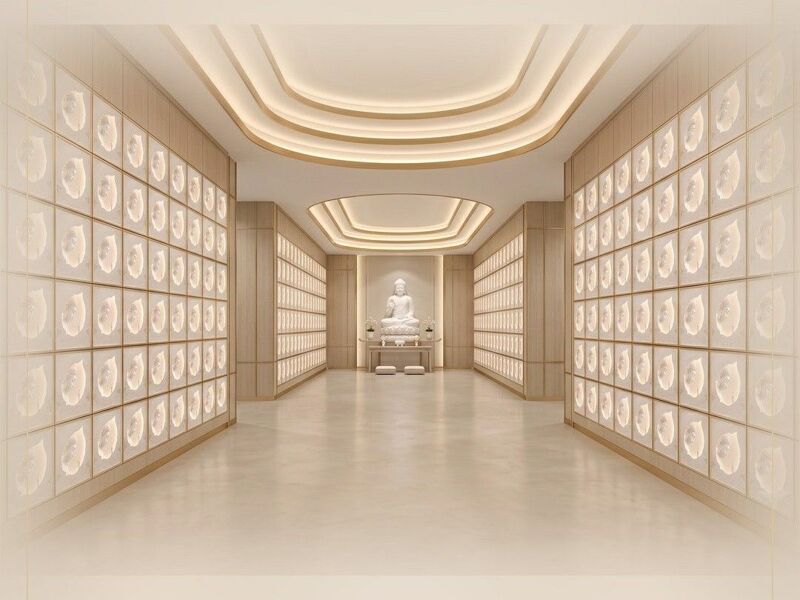
Columbarium walls: 5,000 scrub cycles, tile to 1.2 m and paint above, mid-tone warm grey, corner guards, substrate moisture below 8%, tile below the candle stands. A columbarium wall does not aim to look new — it aims to look new forever. The gap between those two is not the price of the material but whether anyone checked the scrub-resistance number when specifying.