WeChat: (+86)13978873330 Email: 381784025@qq.com

WeChat: (+86)13978873330 Email: 381784025@qq.com

New halls are bright, old halls look worn. That is the surface impression. But a niche is used for decades, so the criterion is not how new it looks but whether the plant is running and whether money has gone into maintenance.
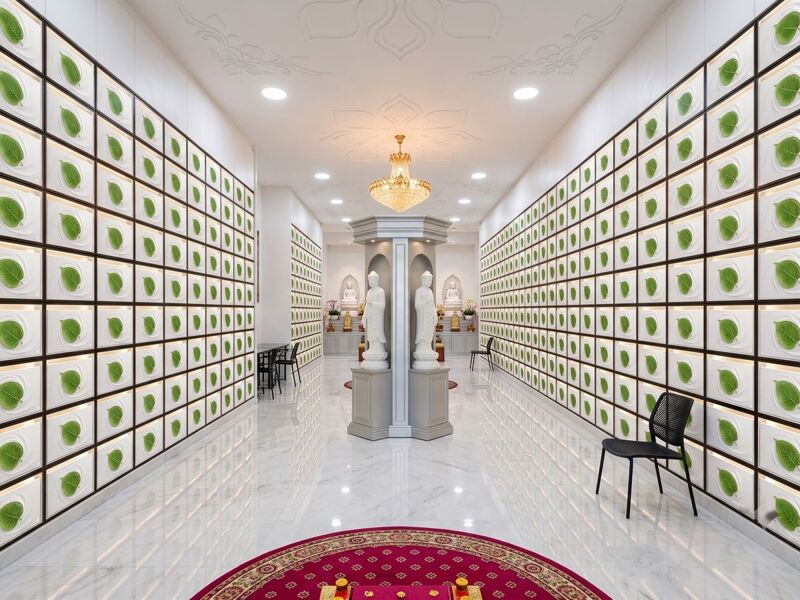
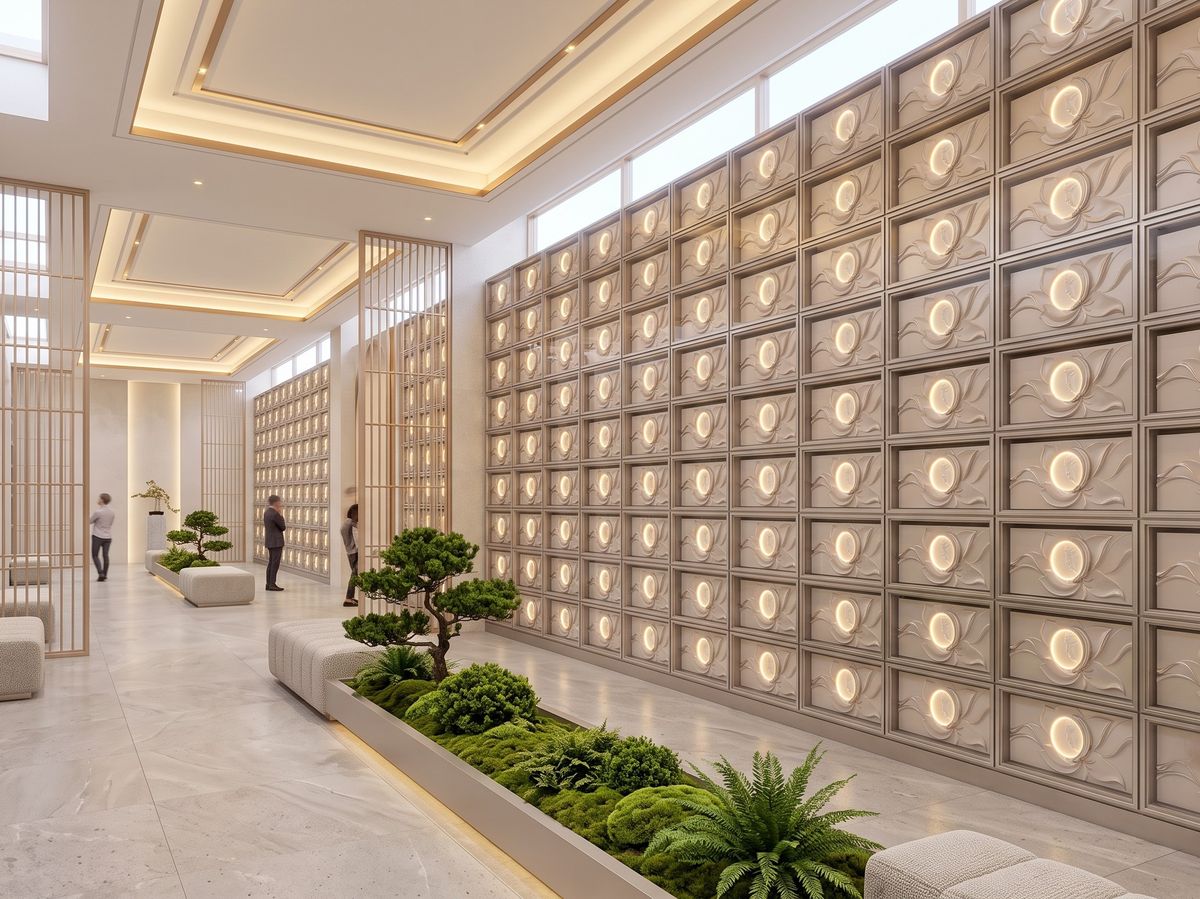
Three advantages. Dehumidifiers, air conditioning and fresh-air units are all new, with a low failure rate in the first five years; circulation and step-free design are better, with more standing room in front of niches; vacancies are plentiful, so contiguous niches in one row are easy to secure.
Three unknowns. There is no maintenance history, so you do not know whether they will clean filters and replace seals on schedule in three years; occupancy is low, fee income is thin, and long-term operating pressure is high; parking, transport and offering shops exist on the drawings but may not in practice.
The advantage is records. You can ask "when were the door panels last replaced" and "how old are the dehumidifiers" — a specific answer means somebody is actually looking after these niches. Occupancy is high, fee income stable, staffing complete; the surroundings are mature, with transport and offering shops already there.
The problems are in the plant. Dehumidifiers over eight years old lose efficiency, strip lighting ages and loses illuminance, hardened seals let dust through door gaps, all directly affecting cleanliness inside the niche. Early aisles are narrow, accessibility was not well considered, and the remaining vacancies are mostly corners and edges.
One, look at the plant room. Will they take you to see the dehumidifiers? Is there a running log on the machine? This single item tells you the most.
Two, look at wall corners. Any mould at internal corners, any freshly painted patches? Fresh paint often covers mould.
Three, look at the lower edge of door panels. Touch for water marks. If present, humidity control near floor level is poor.
Four, look at the maintenance log. Ask when the seals were last replaced and the filters last cleaned.
Five, visit in the low season. A hall that still keeps the lights on, the plant running and staff on duty in the quiet season is running a long-term business.
Look at three places: whether the services were replaced (new panels and paint are cosmetics; new dehumidification, fresh air and lighting are surgery); whether the numbering was re-sequenced (which means the system was upgraded); and how the new panels meet the old frames (misalignment means it was fitted hastily and will cause problems later).
Understand those three and you will have a sense of what a niche in that hall is worth.
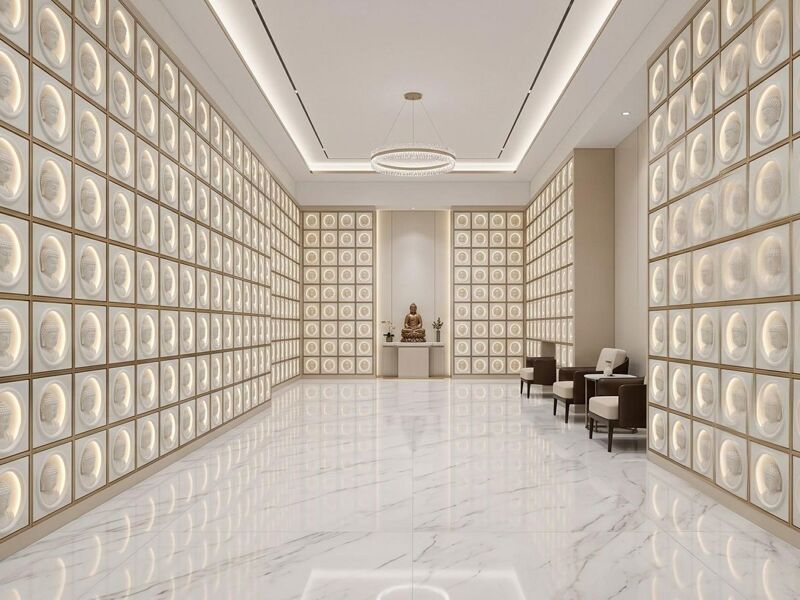
Choose new if the family has just moved to the city, needs several niches in one row, and has the budget to absorb the unknown.
Choose old if stability matters visitors are mainly elderly, and you accept ageing plant provided maintenance is diligent. In those three cases, an old hall's records are more credible than a new hall's showroom.
- Year built and date of last refurbishment. - Vacancy rate; above 40 per cent signals operating pressure. - Management fee increases over the last three years. - Whether dehumidification and air conditioning logs can be produced. - Ratio of total niches to permanent management staff.
Q: Are new halls more likely to fail?
Some new halls are poorly run, and some old ones cannot hold on. The criterion is occupancy and maintenance investment, not opening date.
Q: Can door panels in an old hall be replaced?
Most can be replaced individually on the module. Replacing panels is the most cost-effective way to improve an old hall's appearance, and it directly affects sealing.
Q: Is dehumidification in a new hall always better?
The equipment is new, but is it switched on and maintained? A running new machine beats an idle new machine.
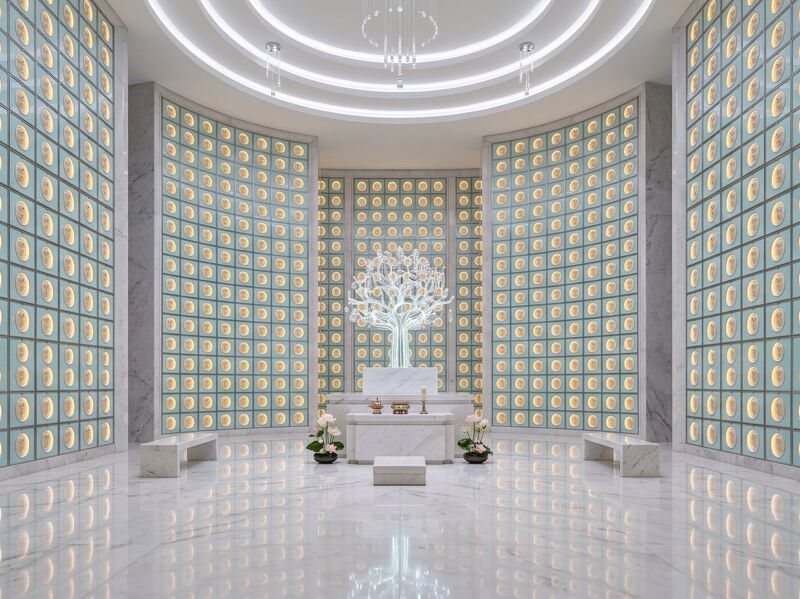
The choice between new and old is not about age. It is about whether anyone is maintaining the place seriously. Ask a new hall how it intends to manage in three years; look at how an old hall has managed over the past ten. A niche outlives the decoration, so spend more time in the plant room and less in the lobby.